OBJECTIVE:
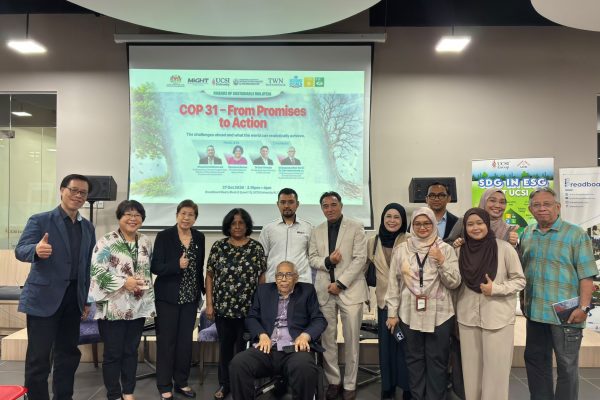
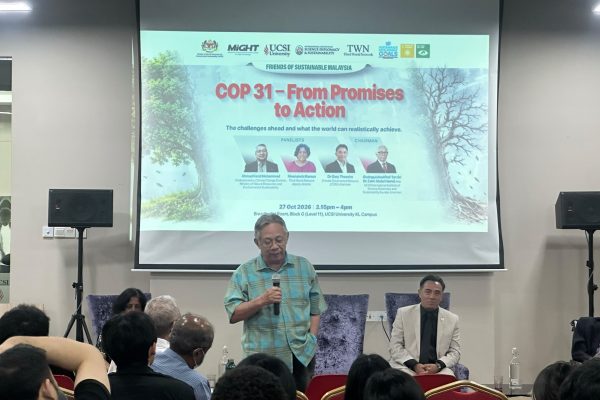
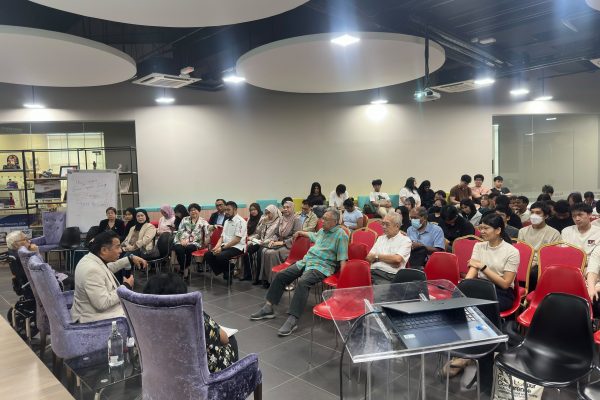
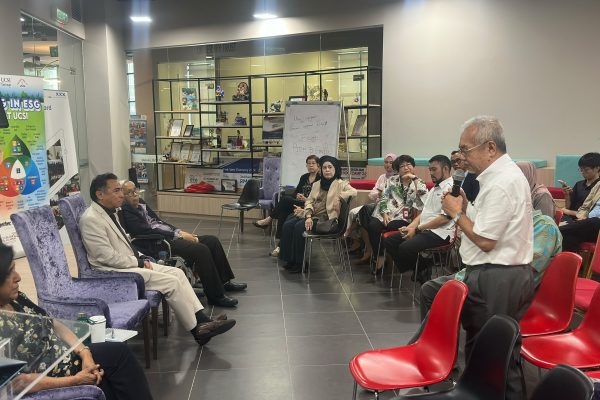
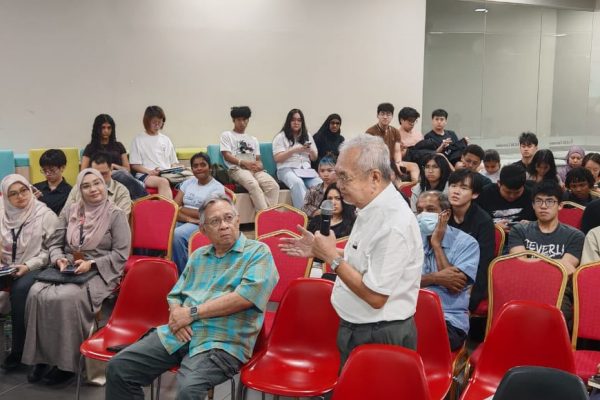
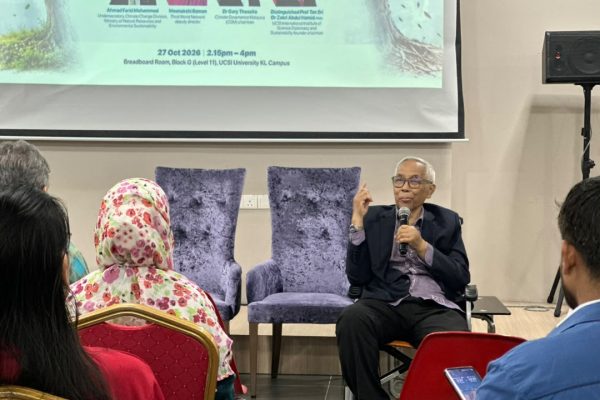
UCSI University, in collaboration with Friends of Sustainable Malaysia (FoSM), organised “From Promises to Action: What Does COP31 Mean for Malaysia?” on 27 October 2026 at UCSI University Kuala Lumpur Campus. The session explored how global climate commitments can translate into local action ahead of COP31 in Türkiye, with over 80 participants, including international students, lecturers and representatives from the Malaysian Industry-Government Group for High Technology (MIGHT), a technology and industry think tank; Third World Network (TWN), an NGO advocating sustainable development and environmental protection; Sustainable Development Solutions Network (SUSDEN), a global network advancing SDG solutions; Malaysian Palm Oil Board (MPOB), a palm oil research and regulatory agency; Selangor Climate Adaptation Centre (SCAC), focused on climate resilience; and National Disaster Management Agency (NADMA), responsible for disaster management.
The session featured three distinguished speakers: Meenakshi Raman, Deputy Director of the Third World Network; Dr Gary Theseira, Chairman of Climate Governance Malaysia (CGM); and Distinguished Professor Tan Sri Dr Zakri Abdul Hamid, Founding Chairman of the UCSI International Institute of Science Diplomacy and Sustainability. The discussions provided participants with insights into international climate negotiations, the role of countries in shaping climate agreements, and the importance of balancing climate action with national development priorities. Meenakshi Raman highlighted the need for climate equity, adequate climate finance and stronger support for developing countries in implementing their climate commitments.
Meenakshi Raman emphasised the importance of climate equity, highlighting that developed countries must take the lead in reducing emissions while providing adequate climate finance, technology transfer and capacity-building support to developing countries. She also raised concerns about unequal global mitigation pathways, the implementation of climate adaptation measures, and the need to ensure that climate commitments are backed by sufficient resources. Distinguished Professor Tan Sri Dr Zakri Abdul Hamid highlighted that climate change poses an existential threat to humankind and all living things, pointing to the impact of fossil fuel dependence on global warming and the growing threat of biodiversity loss. He stressed the urgency of accelerating climate action, noting that global temperatures reached approximately 1.6°C above pre-industrial levels in 2024, underscoring the need for stronger collective efforts to safeguard the planet.
The session highlighted the importance of stronger international cooperation, equitable climate policies and accountability in delivering climate commitments. It also emphasised that young people have an important role to play in shaping a more sustainable future and building a safer world. As Malaysia prepares for COP31, the discussion provided valuable perspectives on how the country can contribute to global climate efforts while pursuing a fair and inclusive transition towards a low-carbon future.